Indoor air quality plays a crucial role in determining how commercial spaces function, feel, and protect their occupants. Flooring covers large surface areas and has a direct impact on indoor environmental quality through material emissions. FloorScore certification was created to address these concerns and bring clarity to material safety. Understanding what FloorScore is helps project teams make informed, health-focused flooring decisions.
FloorScore certification evaluates whether flooring materials release harmful substances into interior spaces. The concern centers on whether materials introduce hazardous compounds into breathable air. FloorScore provides reassurance through independent testing and transparent standards.
What FloorScore Certification Is Designed to Measure
FloorScore is an independent third-party certification focused specifically on flooring products. The program evaluates volatile organic compound (VOC) emissions from finished flooring materials. Testing confirms that products meet recognized indoor air quality thresholds. This ensures flooring contributes to healthier interior environments.
Unlike broad sustainability labels, FloorScore focuses narrowly on indoor air quality performance. The certification does not evaluate recycled content, sourcing, or lifecycle impacts. Instead, it addresses what enters the air after installation. That focus makes FloorScore especially relevant for selecting interior finishes.
FloorScore was developed by the flooring industry to address growing concerns about indoor air quality. It aligns with scientific testing protocols used across commercial construction. Products must undergo chamber testing to measure emissions over time. Only materials that meet strict criteria earn certification.
Why Indoor Air Quality Became a Flooring Priority
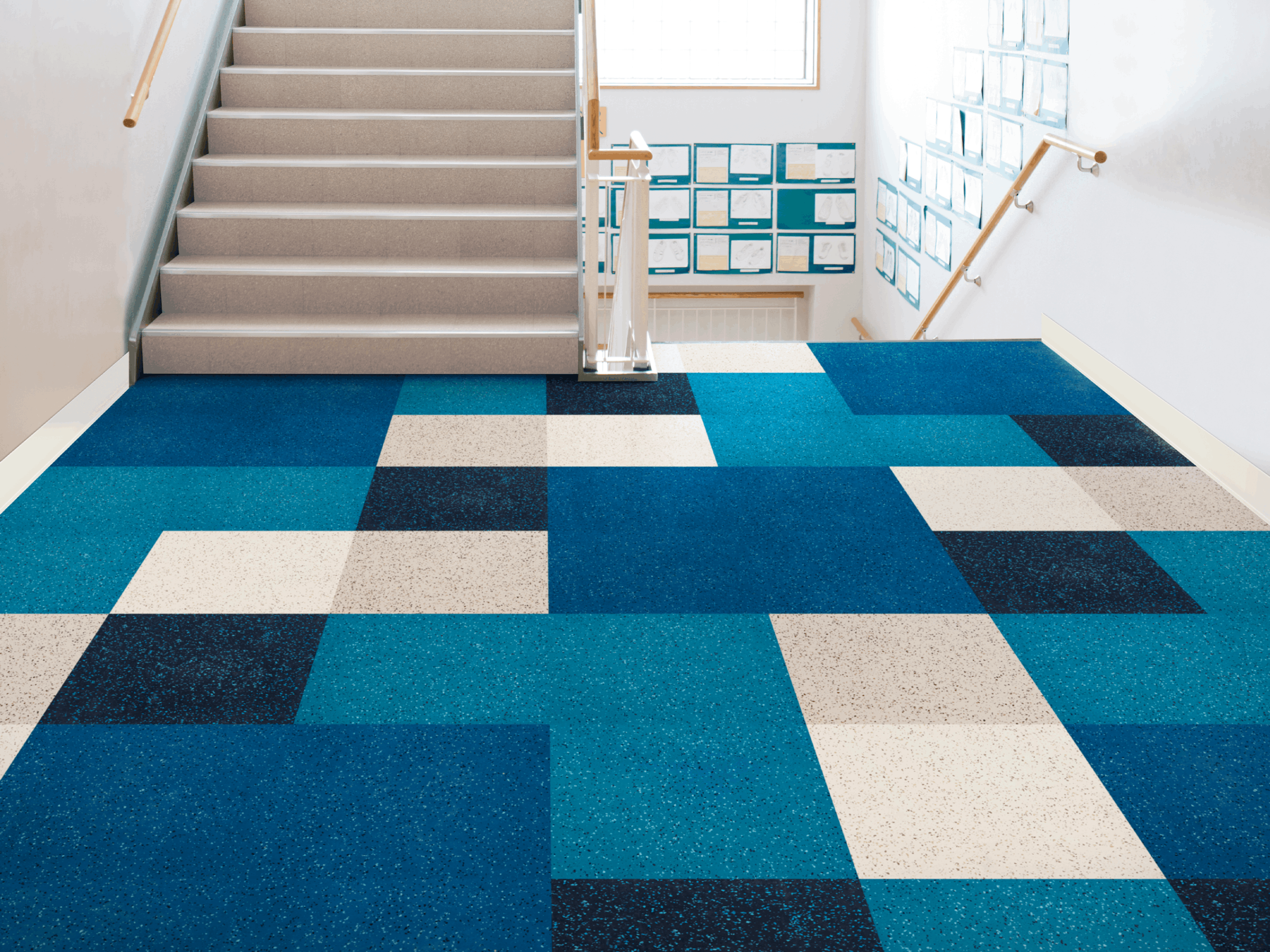
Indoor environments contain many potential emission sources beyond flooring. Adhesives, paints, wall finishes, and furniture all contribute to air quality. Flooring remains a primary concern due to surface area and proximity to occupants. Large installations amplify potential exposure risks.
VOC concerns grew as buildings became more energy-efficient and airtight. Reduced ventilation increased the importance of low-emitting materials. Early conversations often confused odor with harmful emissions. FloorScore helped separate perception from measurable data.
Industry discussions at sustainability events highlighted this distinction clearly. Materials were sometimes labeled hazardous solely based on smell. Testing often showed emissions were within safe limits. FloorScore brought scientific verification into those conversations.
How FloorScore Testing Works
FloorScore certification relies on controlled laboratory testing. Flooring samples are placed inside environmental chambers that simulate occupied spaces. Emissions are measured over defined timeframes. Results are compared against established indoor air quality limits.
Testing focuses on VOCs known to impact health. These compounds may cause irritation or discomfort at elevated levels. FloorScore establishes acceptable thresholds for commercial interiors. Products must remain below those limits to qualify.
This process removes speculation from the material evaluation process. Decisions rely on data rather than assumptions. Designers and facility managers gain confidence in product selection. Occupants benefit from healthier indoor conditions.
FloorScore Role in Sustainable Flooring Decisions
Sustainable flooring extends beyond recycled content or renewable materials. Indoor air quality is a core component of sustainability. A floor that performs environmentally but harms occupants fails its purpose. FloorScore addresses this balance directly.
Certified flooring supports healthier environments across commercial sectors. Schools benefit by reducing exposure for children and staff. Healthcare facilities prioritize air quality for recovery and infection control. Corporate offices improve comfort and productivity through cleaner interiors.
While FloorScore remains valuable, it is not the only indicator of sustainability. It works best alongside transparency reports and material disclosures. Together, these tools create a more complete picture. FloorScore focuses on what matters after installation.
How FloorScore Fits into Modern Project Requirements

FloorScore once served as a primary differentiator for low-emission flooring. Today, many manufacturers voluntarily meet similar standards. This shift reflects broader industry progress. Indoor air quality awareness has improved significantly.
However, not all products undergo independent verification. Certification still matters when budgets allow for proper testing. FloorScore confirms claims through third-party oversight. That accountability remains important in risk-sensitive environments.
Project teams often reference FloorScore during specification reviews. It simplifies conversations about indoor air quality compliance. Instead of debating emissions, teams rely on documented results. This saves time and reduces uncertainty.
FloorScore and Green Building Programs
FloorScore aligns with indoor environmental quality goals within green building frameworks. Programs such as those supported by the US Green Building Council recognize low-emitting materials. FloorScore data supports documentation requirements. This helps projects pursue sustainability benchmarks efficiently.
The certification complements broader initiatives aimed at increasing material transparency. It does not replace environmental product declarations or health product declarations. Instead, it fills a specific role related to emissions. That specialization strengthens its value.
FloorScore certification also supports occupant wellness strategies. Healthy environments rely on multiple design decisions working together. Flooring plays a foundational role within that system. Certified products reduce one primary variable.
Why Independent Verification Still Matters
Self-reported data lacks the credibility of third-party testing. FloorScore provides external validation that emissions meet accepted standards. This matters for liability, compliance, and occupant trust. Independent oversight protects all stakeholders.
Manufacturers invest time and resources to earn certification. This commitment demonstrates accountability and transparency. Not every flooring product on the market pursues testing. Certified products stand apart through verified performance.
For commercial projects, this distinction carries weight. Healthcare, education, and corporate clients often require documentation. FloorScore simplifies approvals and reduces follow-up questions. Precise verification streamlines project delivery.
FloorScore Certified Flooring and Brand Responsibility
Manufacturers that certify complete product lines demonstrate long-term commitment to indoor air quality. This approach reflects a responsible approach rather than selective compliance. It ensures consistency across collections and applications. Project teams gain confidence regardless of product selection.
Certified flooring supports healthier spaces without sacrificing performance or design. Durability, acoustics, and comfort remain essential considerations. FloorScore addresses emissions without limiting creativity. Designers retain flexibility while protecting occupants.
Choosing certified flooring reflects proactive decision-making. It anticipates concerns before they arise. Projects benefit from reduced risk and improved transparency. Occupants experience cleaner, more comfortable environments.
Final Thoughts on FloorScore Certification
FloorScore certification remains a valuable tool for evaluating the impact on indoor air quality. It addresses a specific and vital question about material emissions. While industry standards have evolved, independent verification still matters. FloorScore provides clarity where assumptions once dominated.
For commercial spaces, healthier environments support long-term success. Flooring selections influence air quality more than many realize. Certified products reduce uncertainty and support responsible design. FloorScore continues to play a meaningful role in that process.
Understanding FloorScore helps project teams move beyond surface-level sustainability claims and focus on measurable indoor air quality performance. Community rubber tile reflects this commitment by being both FloorScore certified and PVC free; supporting healthier interiors without compromising durability or design. This combination reduces concerns around emissions while aligning with modern expectations for sustainable flooring materials. When indoor air quality and responsible material selection matter, verified solutions make the difference.
To learn more about FloorScore certified flooring solutions or to discuss the right option for your next project, connect with a Community representative today.